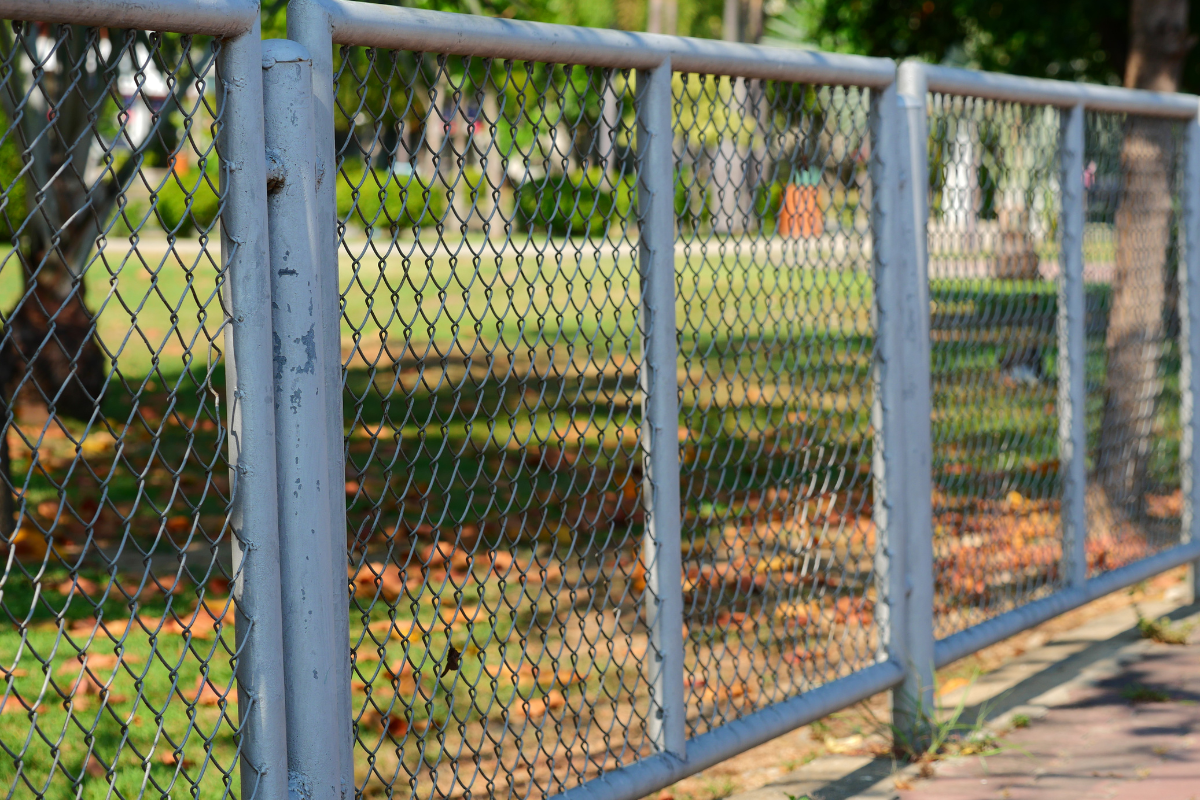
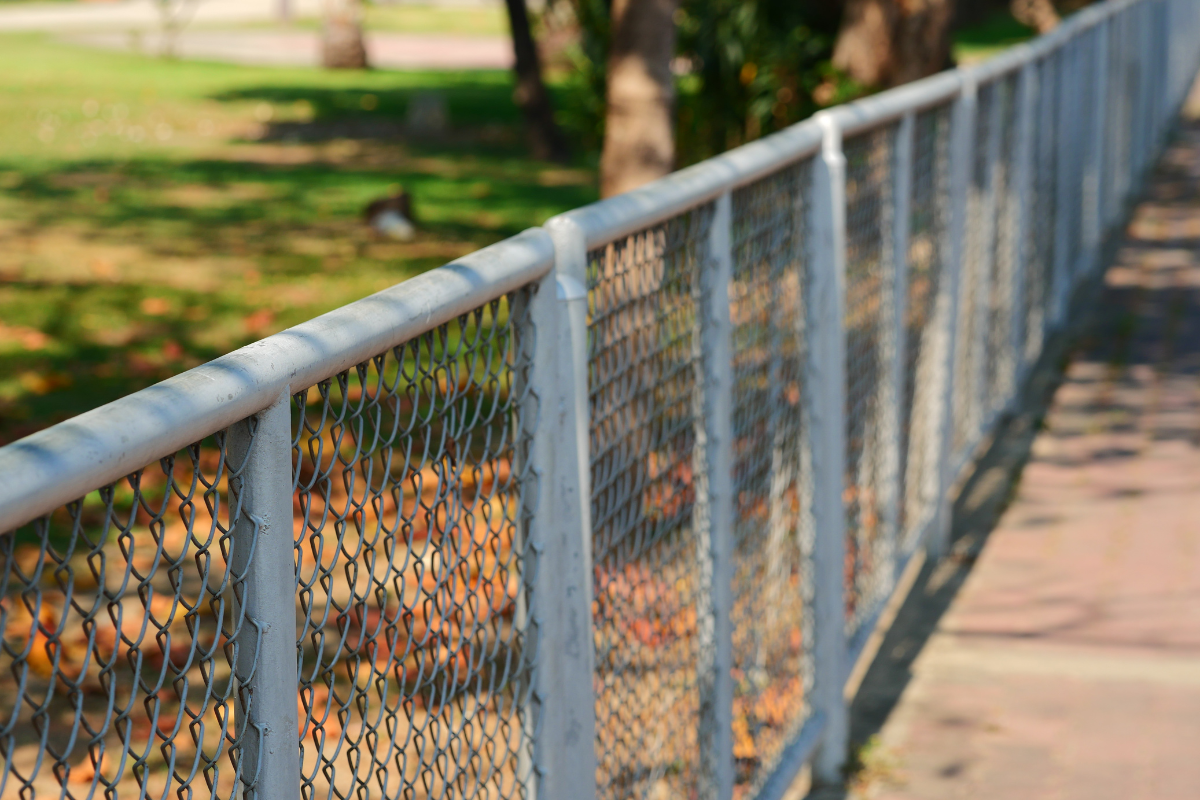
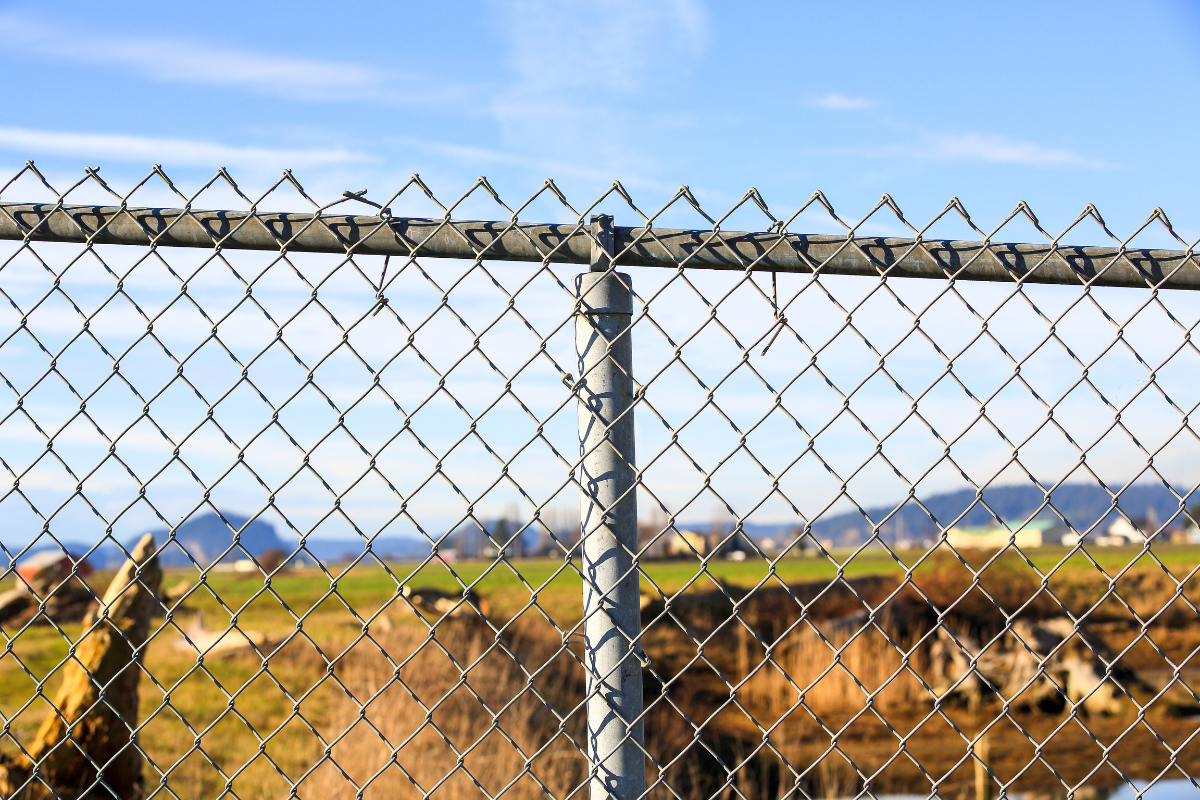
Reliable scheduling is not a luxury in fence work, it is the backbone of a project that touches property lines, neighbors, pets, and security. When a crew commits to an install date, materials have to arrive on time, utilities must be located, and concrete should cure before the next weather swing. I have watched more headaches come from sloppy planning than from any mistake with a post hole. Professional chain link fencing services live or die by their ability to deliver on schedule without cutting corners, and that starts long before a crew pulls up with a post pounder.
What “on-time” really means in the field
Homeowners and facility managers often hear a date and assume that is the day the fence is finished. In our industry, an on-time chain link fence installation means the contractor hits every milestone when promised. Layout and measurements completed when expected, underground utilities located with tickets closed, materials staged without back orders, posts set within the window for proper concrete curing, and fabric stretched and secured by the end date. If any step slips, the rest of the project drifts.
A chain link fence is more process than product. The steel fabric and galvanized posts are forgiving, but the schedule is not. For example, a 200-foot residential run with a driveway gate might be a two to three day job on paper. If the crew pours post footings late on day one during a cold snap, the concrete may not set properly by day two. Stretch that across a baseball field perimeter or a light industrial yard, and you are not just missing a day, you are reworking footings and rescheduling inspections.
Where professional planning pays off
Good contractors do not guess. They walk the site with a tape, a wheel, and a skeptical eye. Corner to corner distances rarely match the plat exactly. Trees lean into fence lines and neighbors add sheds that pinch access. A competent chain link fence contractor buffers time for those realities. The schedule absorbs a stubborn root ball or an extra tension wire without collapsing.
One common example: soil surprises. In many suburbs, the first 12 inches are loam, then you hit fill or clay. We carry two auger bits on every truck, a rock bit and a standard earth bit, and we plan an extra 10 to 20 minutes per hole when the soil survey or past jobs nearby suggest dense layers. That forethought keeps a 30-post job from bleeding into a second week.
Professional planning also means material readiness. Chain link fabric comes in common heights such as 4, 5, 6, or 8 feet, with 2-inch or 2 3/8-inch mesh. If the job calls for black vinyl-coated fabric with matching powder-coated framework, lead times extend. A seasoned chain link fence company will not promise a start date until those skids are confirmed. It is less glamorous than showing up fast, but it is how you finish when you said you would.
The sequence that keeps jobs on track
Every chain link fence installation follows a rhythm. Contractors who respect the rhythm avoid rework and idle time. The outline below is the backbone of an on-time install, whether for a small backyard or a multi-acre distribution lot.
First, survey and layout. Establish property lines, offsets, gate swings, and utilities. If we cannot confidently place a line post without risking a gas line, nothing else matters. I have seen “handy” crews blow an entire day because the 811 ticket was requested late and the site was not marked. Professionals book the locate at least three business days prior and walk the markings the day before digging.
Second, set posts with the right spacing and footing size. Typical residential spacing runs 7 to 10 feet, with corner and gate posts in larger diameters and deeper footings. Frost lines and wind exposure dictate depth. In northern markets, 36-inch depth is common, while coastal areas with sandy soils may need wider bells. Schedule-wise, we plan pour time to allow a minimum 24 hours of set before fabric tensioning, more in cold or wet conditions.
Third, string top rail, brace corners, and set tension bands. This step is often overlooked in scheduling, but misaligned bracing eats time later when the fabric will not sit square. https://manuelsnpa111.wpsuo.com/how-to-compare-chain-link-fence-contractors-effectively Extra minutes on plumb and alignment save hours of stretch and adjust.
Fourth, hang the fabric and stretch. With two trained installers and good come-alongs, a 100-foot run stretches clean in under an hour. Add barbed wire or privacy slats, and you revise the schedule. Privacy slats, for example, go in at roughly 10 to 20 minutes per 10-foot section depending on the pattern. A 300-foot privacy fence adds a half day just in slatting.
Finally, gates and hardware. Gate posts take the most punishment over a fence’s life, so we upsize them and add concrete. Scheduling gates late in the process is smart, but not as an afterthought. Aligning double-swing gates for even reveals and proper latch contact can take longer than expected, especially on sloped grades.
The hidden scheduling forces you can’t ignore
Permits and inspections can derail otherwise crisp timelines. Some municipalities treat a 6-foot chain link fence as minor work with no permit, while others require a permit and a post-hole inspection before concrete. We maintain a map of jurisdictions with typical turnaround times. A city that quotes five business days might take eight if a planner is out. The chain link fence contractor who calls the counter, verifies requirements, and submits complete packets will hit dates more consistently.
Weather discipline matters too. Crews like to tough it out, but installers who pour in a downpour or stretch fabric in high winds create problems that appear a month later. On-time does not mean reckless. If rain is forecast at 80 percent in the afternoon, our crews pour in the morning, cover footings with visqueen, and stage fabric for a clean start the next day. Lost hours are cheaper than replacing heaved posts or crooked stretches.
Material shortages pop up. Galvanized fittings are usually abundant, but specialty colors and odd gate widths can take a week or two. The best chain link fencing services stock standard fittings and maintain relationships with multiple suppliers. If one yard is out of 2 ½-inch black caps, we buy them across town rather than shift the schedule.
Residential, commercial, and industrial needs differ
A backyard enclosure for a dog has different stakes than a perimeter for a logistics yard, but both owners care about timing. Homeowners want minimal disruption and a tidy site. A professional chain link fence company will offer clear start windows, protect sod from wheel ruts, and keep gates functional each evening. If we set posts on Monday, we plan for pets and kids on Tuesday. That might mean temporary panels or rope barriers so the site is safe.
Commercial sites care about access and security during the install. A contractor with the right manpower can keep a property secure while replacing sections. On a school job, for instance, we scheduled work between 9 a.m. and 2 p.m., opened temporary walk-through gates for dismissal, and returned the perimeter to a secure state by late afternoon. On industrial yards, we coordinate with guard shacks and trucking schedules to avoid peak gate traffic.
Sports facilities bring their own demands. Baseball backstops and outfield fences cannot be installed while fields are in use, and the fabric gauge and fence height often differ by zone. Coordinating with leagues and grounds crews prevents schedule conflicts. We once staged three crews on a tournament complex, each assigned a field, rotating tasks so the concrete work finished before an incoming cold front. That kind of choreography is the difference between finishing Thursday or dragging into the weekend.
What affects the actual timeline
A typical residential install of 150 to 250 linear feet of 4 or 5-foot tall galvanized chain link, with one 4-foot pedestrian gate, usually runs two working days: posts and concrete on day one, stretch and hardware on day two. Add-ons change that. Vinyl coating adds handling time, privacy slats add hours, and grade changes require step-downs or racking that slow the crew. The range expands to three to four days for 300 to 500 linear feet with multiple gates or uneven terrain.
Commercial jobs vary widely. A 1,000-foot perimeter in open terrain with vehicle gates might take a week with a four-person crew if materials are standard and access is good. Introduce bollards, cantilever gates, card readers, or barbed wire, and the schedule grows by days. If you need concrete mow strips or continuous footings along the fence line, coordinate with separate concrete crews or add days for formwork and pour.
Chain link fence repair is its own scheduling beast. Emergency repairs after a vehicle strike or storm damage need triage within hours. A professional chain link fence contractor keeps spare fabric, tension wire, and common posts on hand for quick response. Permanent fixes may follow later, but securing a breach the same day matters for warehouses, schools, and utilities. Non-emergency repairs, such as sagging fabric or rusted bottom rails, generally slot into the calendar between installs. The best companies reserve time every week for repairs so small jobs do not wait weeks.
Tools and crew size drive efficiency
Watch a seasoned installer and you will see small habits that protect the schedule. They pre-lay fittings by section, tension bottom wire before fabric, and check post plumb with a quick tap rather than a full reset. Tools matter too. Gas-powered augers and skid steers speed digging, but we keep manual options for tight spaces where machinery would tear up landscaping or cannot fit through a 36-inch gate.
Crew size is not linear with speed. Two sharp installers can outperform a larger, inexperienced crew. For most residential work, a two or three-person team is ideal: one on layout and posts, one on fittings and rail, and both on fabric stretch. For commercial jobs, adding a fourth person to stage materials and cut fabric keeps the core installers moving.
The case for professional installation over DIY
Chain link looks simple until the details pile up. A DIY install often runs long because the learning curve is real. Getting corner posts braced correctly, spacing line posts consistently, and achieving a tight, even stretch are not complicated, but they are unforgiving. A fence that waves or a gate that drags will bother you every day. Professionals earn their keep by compressing the job into the minimum time window without sacrificing the finish.
There is a safety dimension too. Hand digging near utilities, handling rolls of fabric with sharp cut ends, stretching with come-alongs under high tension, and cutting posts at height all have risks. Professional crews carry the gear and the habits to manage those risks. They also carry insurance, which matters if something goes wrong near a driveway, a window, or a neighbor’s garden.
Cost comparisons should include time and rework. A homeowner might save on labor, but if a mis-set gate post leads to a reset, the total time and material loss often exceeds the saved dollars. Hiring a chain link fence company with a track record gives you a predictable schedule and a product that lasts.
Quality choices that do not blow the schedule
Owners sometimes fear that better materials will cause delays. In most cases, quality choices have minimal impact if ordered in time. Upgrading to heavier fabric, such as 9 gauge instead of 11, does not change the process, just the handling weight. Choosing a top rail over top tension wire adds a straightforward step. Heavier wall thickness on posts provides more rigidity and holds alignment during stretching, which can actually save time.
Where quality can affect schedule is finish and color. Black or green vinyl-coated components need lead time if the supplier is lean. Ask your chain link fence contractor to confirm stock, and consider substituting equivalent brands rather than waiting for a specific SKU. A good contractor will offer options without compromising fit and finish.
Gate hardware and automation without delays
Manual gates are quick if you plan clear openings and swing direction early. The snags come with uneven grade, where a low spot causes a drag, or where a slope forces one leaf to be shorter than the other. Professionals anticipate those situations by racking the gate frame or setting the latch height to accommodate the slope.
Automation adds steps: conduit runs for power, operator pads, safety loops, and coordination with electricians. The fence crew can set posts and hang a cantilever or swing gate on schedule, but the operator install may trail by a few days depending on the electrician’s calendar. The trick is front-loading trenches and conduit while the site is open, not after the fence is complete. That single decision can save a day.
Preventing callbacks with proper finishing
An on-time finish is not complete if the fence needs a revisit a week later. The fastest way to protect the schedule is to do the small finishing tasks thoroughly. Tighten all carriage bolts, set caps fully, clip fabric to line posts at consistent spacing, and crimp tension wire ends cleanly. Where lawn equipment is aggressive, we recommend bottom tension wire to reduce fabric lift. Near playgrounds, we grind and cap any cut wire ends so nothing snags hands or clothing.
Homeowners appreciate a walkthrough. We show how to adjust hinge tension, how far to open a gate without stressing hinges, and where to lubricate latch mechanisms. For commercial clients, we keep a short punch list and close it the same day whenever possible. Small fixes handled immediately keep a project on schedule and leave no loose ends.
Repair scheduling that respects your operations
Not all chain link fence repair can be planned. A delivery truck bends a section by the dock, or a fallen limb crushes a corner. Professional chain link fencing services keep a rapid-response kit: pre-cut 6 and 8-foot sections of fabric, assorted line and corner posts, caps, bands, rail clamps, a porta-power, and quick-set concrete. That kit lets a two-person crew restore function quickly, then return for a full replacement if needed.
For planned repairs, we batch work in geographic clusters to avoid windshield time. If three properties in one zip code need bottom wire tightened, slats replaced, and a gate adjusted, we schedule them the same day. That efficiency keeps rates fair and gets more repairs done without slipping install schedules.
Real-world timeline examples
A small yard in a suburban cul-de-sac, 180 feet of 5-foot galvanized chain link with a single gate. Utility locate requested Monday, marked by Thursday. Crew sets posts Friday morning, top rail and bracing by lunch, rains in the afternoon. Cover footings and return Monday for fabric stretch and gate install. Total site time roughly 12 to 14 hours, with a weather buffer that kept the finish on the promised day.
A light industrial lot, 900 feet of 6-foot black vinyl chain link with three 20-foot double-swing gates and barb wire. Materials require a two-week lead due to black fittings. Permit turnaround is five business days with a post-hole inspection. Schedule is scoped to ten working days: digging and setting posts days one to three, inspection on day four morning, top rail and bracing day four afternoon and day five, fabric stretch days six and seven, barbed wire days eight morning, gates and hardware days eight afternoon and nine, punch list day ten. Execution finished by day nine due to favorable weather and efficient inspection.
A school baseball backstop refurbishment during spring break. Remove and replace 12-foot fabric, add windscreens, replace three gate frames. Crew of four, three working days, with pre-staged material. The key to on-time delivery was coordinating lift use and access with the grounds team, and installing windscreens last to avoid wind resistance during fabric stretch.
How to choose a contractor who delivers when promised
You can read marketing claims all day, but on-time performance shows up in habits and references. Ask for two recent clients who had schedule-sensitive projects and call them. Review photos that include timestamps and site conditions. Ask how the company handles weather delays and change orders. A trustworthy chain link fence contractor will answer plainly and provide a written schedule with contingencies.
Clarify who manages permits and utility locates. If the contractor places the tickets and submits permits, they control more of the schedule. Confirm material lead times before you sign. If you want black privacy slats, ask whether they are on hand or need ordering. The straight answer helps set a realistic start date.
Discuss site access details. On a tight urban property, saving two parking spots for the work truck and trailer can shave an hour each day. On rural sites with soft soil, laying plywood paths avoids getting stuck and losing half a day. A contractor who brings up these details is thinking like a scheduler, not just an installer.
Budget and schedule trade-offs you should expect
Rushing a job can be expensive, but not all acceleration means overtime. Some changes accelerate without much cost. Switching from privacy slats to windscreens, for example, can save a day on a long run. Alternately, accepting a galvanized finish in stock rather than waiting for a special color may move the start date forward by a week.
Other acceleration strategies do cost money. Adding a second crew halves the duration but doubles the labor. Pouring fast-setting concrete works in warm weather for smaller posts, yet it is not advisable for heavy gate posts. A professional will explain when speed compromises longevity and when it does not.
Maintenance that preserves your investment and your calendar
Chain link earns its reputation for durability, but it still benefits from small, regular checks. A quick spring and fall walk along the line to tighten any loose nuts, verify tension wire contact, and clear vines keeps the fence from creeping out of square. Gates deserve special attention. Lubricate hinge barrels with a silicone-based spray and keep the latch area clear of debris. These ten-minute tasks prevent the small issues that become bigger repairs and future schedule disruptions.
When a repair is necessary, early calls help. If you notice a section bowing or a post shifting after a freeze-thaw cycle, alert your chain link fence company. A minor reset now beats a full pull and pour later.
A simple owner’s checklist for on-time results
- Confirm permit and locate responsibilities in writing. Verify material availability and lead times before setting a start date. Walk the site with the contractor and discuss access, slopes, and gate swings. Set expectations for daily cleanup and temporary security if a multi-day job. Ask for a clear plan for weather contingencies and inspections.
What you should expect on installation day
A professional crew arrives when stated, sometimes earlier to beat traffic and heat. They check utility marks one more time and confirm the layout with you before the first hole. Posts go in with consistent spacing, and a long string line keeps things true. Expect noise from augers and saws, but not chaos. Good crews keep tools and fittings organized, and they keep you informed about any surprises: an unmarked irrigation line, a buried stump, or a grade change that requires a step in the line.
At the end of each day, the site should be tidy. Holes not yet filled are coned or covered. Gates are either functional or clearly cordoned. If concrete was poured, crew members will advise you to keep pets and children away. They will also give you a next-day plan with times and tasks.
The value of experience you do not see
People often judge a fence by the final look, but the best value hides in choices you might never notice. The installer who rotates a slightly warped post to keep bolt heads flush, the crew lead who swaps a hinge orientation to accommodate a slope, the decision to set corner posts deeper where wind funnels between buildings, these are the moves that keep an installation on time and a fence standing straight for years.
When you hire experienced professionals for chain link fence installation, you are buying more than materials and labor. You are buying a schedule that holds, a process that respects your property, and a fence that behaves the way it should on day one and day one thousand. The right chain link fencing services show up prepared, adjust when the site pushes back, and finish on the date you circled on your calendar. That reliability is not luck. It is the product of thousands of feet of fence built, repaired, and learned from, one post at a time.
Southern Prestige
Address: 120 Mardi Gras Rd, Carencro, LA 70520
Phone: (337) 322-4261
Website: https://www.southernprestigefence.com/